



I hail from the Southern part of India where mosquitoes and its bites are a day to day matter. But I am specifically allergic to mosquitoes ( shh! it is a secret the husband is very scared of lizards) and always carry a mosquito bat whenever I visit my ancestral home. Coming back to the topic, dengue is caused by dengue virus; it is infectious and is transmitted by the Aedes mosquito.
It occurs in the tropical and subtropical regions of the world. Dengue causes 25,000 deaths per year. The other name for dengue is break bone fever. According to WHO dengue should be suspected when a person experiences high fever, with severe headache, pain behind eyes, muscle and joint pains, nausea, vomiting and swollen glands. Severe dengue is life threatening due to plasma leaking, fluid accumulation, respiratory diseases, severe bleeding or organ impairment.
There is no specific vaccine for dengue. But recently scientists have tested dengue vaccine on 4000 Thai children. The vaccine was effective against three of the four forms of dengue viruses. Let us hope and pray that they should find a vaccine very soon.
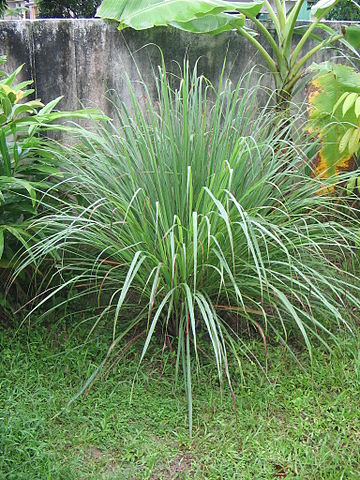
Prevention from dengue fever includes protection from mosquito bites, emptying containers of water, adding insecticides and biological control. People should wear fully covered clothes, using nets while sleeping and applying insect repellent creams can be of great help in warding of this disease. Talking about repellants lemon grass plant is very effective in controlling dengue fever mosquito. Lemon grass oil is safe on skin and can be used as a repellant. It can also be poured in candles and lantern to ward off mosquitoes.
Scientists studying earth’s climate using computers have predicted that rising global temperature will increase a range of mosquitoes that will transmit dengue fever virus. As my biology teacher used to say that our ecosystem is interconnected, it is our prime duty to go green to prevent all these kinds of disasters.
There is an interesting twist to this “virus centric” story. Researchers have found a bacterium called Wolbachia which suppress the dengue virus. They now report that wolbachia parasite spreads rapidly through wild mosquito population. Now do you get the thread? Wolbachia is a parasite which suppresses dengue virus. If the Aedes mosquito is infected with this bacterium the spread of dengue virus can be controlled to a great extent and that too naturally. Scientists consider it as an once in a life time opportunity where nature helps humanity to fend off dreadful infectious diseases.
Take care,
Swarnam
Take care,
Swarnam
Swarnam