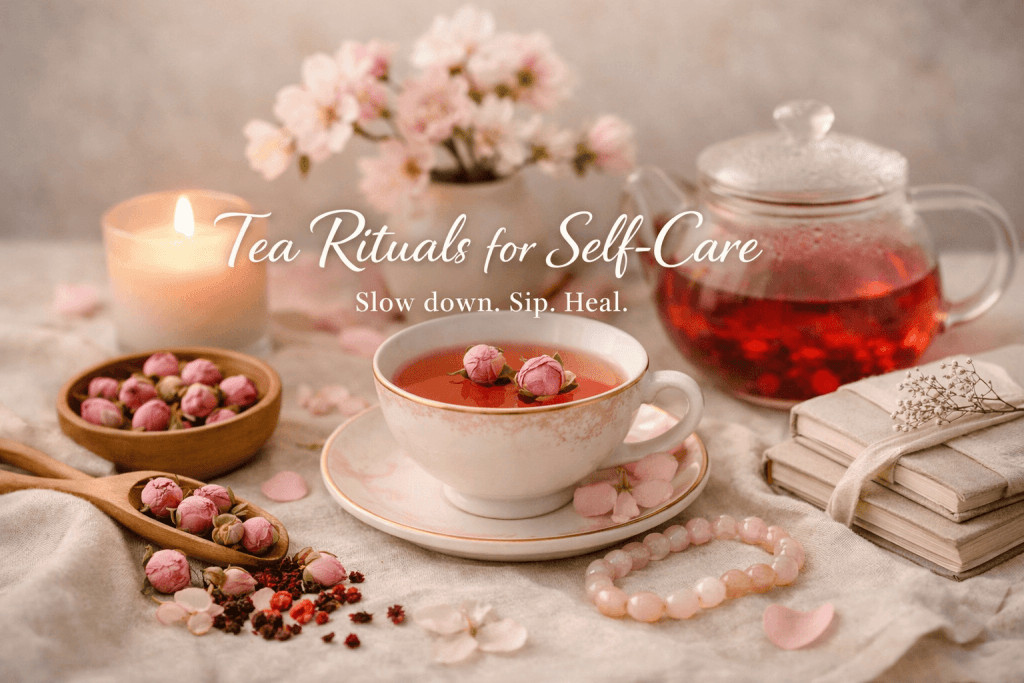

There is something profoundly comforting about holding a warm cup of tea between your palms — the gentle heat, the rising steam, the soft aroma that seems to whisper, “Slow down, dear one.”
In a world that constantly pulls women in a hundred directions, tea becomes more than a drink. It becomes a ritual, a pause, a return to yourself.
Inspired by the elegance of Japanese living — the quiet, the intention, the reverence for simplicity — tea rituals offer a sanctuary for the modern woman who longs for softness, grounding, and emotional spaciousness.
And today, I want to take you on a journey through the world of Japanese‑inspired tea rituals. But first, let me share a little story from my own life.
A Small Story From My Heart: The Quaint Tea Shop That Became My Sanctuary
A few months ago, during one of those emotionally heavy weeks, I wandered into a quiet lane in my neighbourhood. It was one of those days when the world felt too loud, and my heart felt too full.
That’s when I found it — a queer little shop, tucked away between two old buildings, almost shy in its presence.
Inside, it smelled of dried flowers, old books, and something sweet I couldn’t name. The shelves were filled with tiny jars, handmade soaps, herbal blends, and teas I had never seen before.
One jar caught my eye: Dried Pink Rose Buds Tea.
I bought it on a whim.
That evening, I brewed a cup. The colour turned the softest blush pink. The aroma felt like a hug. And the taste — delicate, floral, calming — felt like a deep exhale.
A week later, I went back. This time, I found hibiscus tea, ruby‑red and vibrant. And just like that, it became a habit — Whenever I felt down, overwhelmed, or emotionally tired, I would walk to that quaint little shop and pick a new tea to try.
It became my ritual. My way of saying to myself: “You deserve gentleness today.”
And that is the heart of Japanese tea rituals — gentleness, presence, and the sacred pause.
🌿 Explore the SproutHealth Wellness Shop
Visit SproutHealth.co
to shop our curated collection of wellness, home, beauty, fitness, and lifestyle essentials.
Discover thoughtful products designed to bring comfort, ease, and inspiration into your everyday life.
The Japanese Philosophy Behind Tea Rituals
Japanese tea culture is not about the tea itself. It is about the energy with which it is prepared, served, and received.
Three Japanese concepts shape this ritual:
1. Wabi‑Sabi — Beauty in Imperfection
Wabi‑sabi teaches us to embrace the imperfect, the simple, the natural. A chipped cup. A slightly uneven whisking of matcha. A quiet moment that doesn’t look “Instagram‑perfect.”
Tea rituals remind us that life doesn’t need to be flawless to be beautiful.
2. Ma — The Sacred Pause
Ma is the space between things. The silence between two breaths. The stillness before the first sip. The moment when time seems to soften.
Tea rituals are built on Ma — the idea that slowness is medicine.
3. Ichigo Ichie — One Moment, One Meeting
This moment will never come again. This cup of tea will never taste exactly the same. This version of you will never exist again.
Tea rituals help us honour the present as sacred.
The Healing Power of Tea Rituals (Backed by Research)
Tea rituals are not just poetic — they are scientifically calming.
1. L‑Theanine Reduces Stress & Anxiety
A study in the Journal of Clinical Psychiatry found that L‑theanine, an amino acid in green tea, significantly reduces stress and improves sleep quality.
2. Warm Beverages Activate the Vagus Nerve
Research from the University of Pittsburgh shows that warm liquids stimulate the vagus nerve, helping regulate the parasympathetic nervous system — the system responsible for calmness.
3. Rituals Improve Emotional Regulation
A Harvard study found that simple rituals, even when self‑created, reduce anxiety and increase emotional stability.
4. Hibiscus Tea Lowers Blood Pressure
A clinical trial in The Journal of Nutrition found that hibiscus tea significantly reduces systolic blood pressure.
5. Rose Tea Reduces Menstrual Pain & Stress
A study in the Journal of Midwifery & Women’s Health found that rose tea reduces menstrual pain and improves emotional well‑being.
Types of Japanese‑Inspired Tea Rituals You Can Practice at Home
1. Matcha Whisking Ritual
A grounding, energising ritual perfect for mornings.
2. Sencha Mindful Sipping Ritual
Light, grassy, refreshing — ideal for presence and clarity.
3. Hojicha Evening Calming Ritual
Warm, roasted, low‑caffeine — perfect for anxiety and nighttime relaxation.
4. Tea Meditation Ritual
Hold the cup, breathe in the aroma, sip slowly, let your mind soften.
5. Seasonal Tea Rituals
Spring: Sakura or rose Summer: Cold sencha Autumn: Genmaicha Winter: Hojicha or ginger tea
How to Create Your Own Japanese‑Inspired Tea Ritual at Home
Step 1: Prepare Your Space
Choose a quiet corner. Light a candle. Let the moment feel sacred.
Step 2: Choose Your Tea
- Matcha for clarity
- Hojicha for grounding
- Rose for emotional softness
- Hibiscus for vibrancy
- Sencha for mindfulness
Step 3: Prepare the Tea Slowly
Let every movement be intentional.
Step 4: Sip With Presence
Feel the warmth. Taste the flavours. Let your breath slow down.
Step 5: Close With Gratitude
A simple whisper: “Thank you for this moment.”
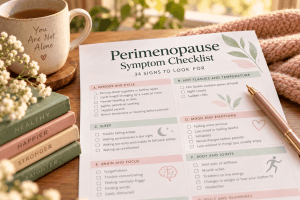
🌸 Menopause Journal Tracker Bundle
Grab the Menopause Journal Tracker Bundle today and get the
Self-Compassion Journal completely FREE — because your wellbeing deserves gentle care, clarity, and support.
Printable • Gentle Wellness Support • Beautifully Designed
The Best Teas for Emotional Healing & Feminine Wellness
- Rose Bud Tea — a soft, heart‑opening floral embrace
- Hibiscus Tea — a vibrant, uplifting burst of ruby wellness
- Sencha — a grounding, clarifying green tea ritual
- Hojicha — a calming, roasted, earthy comfort
- Genmaicha — a cozy, soothing blend of tea and toasted rice
Tea Rituals for Different Times of Day
Morning: Matcha or sencha
Afternoon: Genmaicha or rose
Evening: Hojicha or chamomile
Tea Rituals for Women in Different Life Stages
Busy mothers: 5‑minute grounding rituals
Burnout: Slow sipping + breathwork
Perimenopause: Warm teas + evening rituals
Emotional healing: Rose, hibiscus, chamomile
SproutHealth.co: Gentle Wellness Essentials to Deepen Your Tea Rituals
Your tea ritual is more than a moment of sipping — it is a sacred pause, a return to your breath, a softening of your inner world. And sometimes, the right wellness tools can make that moment feel even more nourishing.
At SproutHealth.co, I’ve curated a small collection of gentle, heart‑aligned essentials that pair beautifully with your Japanese‑inspired tea rituals.
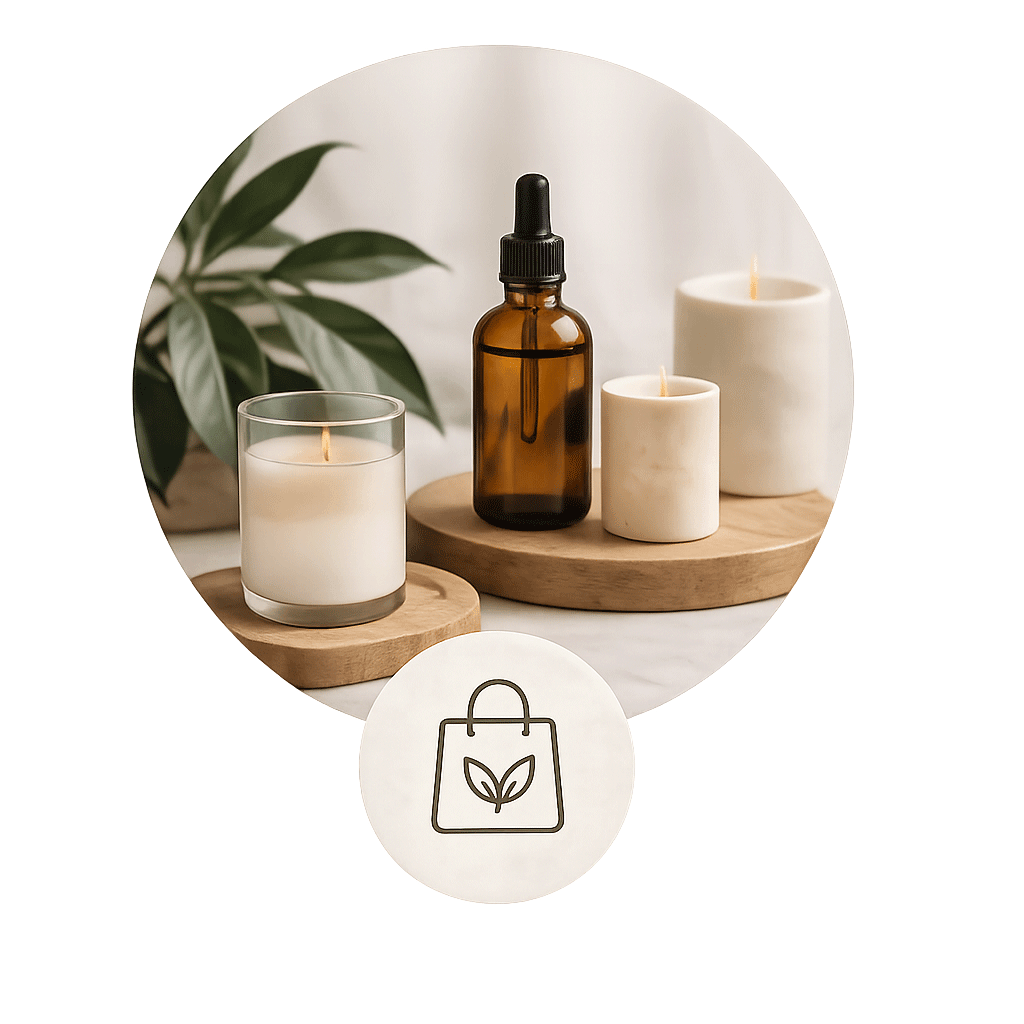
1. Calm & Cozy Candle Collection
Soft scents like lavender, vanilla oat, and rosewood create a warm, grounding atmosphere for your ritual.
2. Floral Wellness Teas (Rose, Hibiscus & More)
Inspired by my own visits to that quaint little shop, SproutHealth.co now carries gentle floral teas that support emotional balance.
Rose Bud Tea — heart‑opening. Shop Now
Hibiscus Tea — vibrant and uplifting. Shop Now
3. Cozy Evening Mug Ritual
A warm, comforting ritual featuring your artisan wellness mug and a soothing cup of tea. Designed to help women unwind, slow down, and end the day with gentle calm.
4. Mindful Moments Journal
A soft, minimalist journal with prompts for reflection, gratitude, and emotional clarity.
5. Aromatherapy Essential Oils — Calming, Heart‑Opening & Uplifting Blends
- Lavender + Chamomile — a gentle calming blend for rest and relaxation
- Rose + Geranium — a soft, heart‑opening floral blend for emotional balance
- Citrus + Mint — a bright, uplifting blend for clarity and energy
Final Thoughts: Returning to Yourself Through Tea
Tea rituals are not about perfection. They are about presence. About choosing softness in a world that demands hardness. About creating a moment that belongs only to you.
Just like my quiet walks to that quaint little shop — where rose buds and hibiscus teas became tiny anchors of joy — I hope your tea ritual becomes a gentle way of saying:
“I am here. I am breathing. I am allowed to rest.”