
There comes a moment in every woman’s life — often between 35 and 55 — when her body whispers, “Please… slow down.” Not because she is weak. Not because she is aging. But because her biology is shifting, her nervous system is overstimulated, and her hormones are asking for gentleness.
Women in this season often tell me:
- “I feel wired but tired.”
- “My mind is racing even when I’m resting.”
- “My hormones feel out of control.”
- “I’m overwhelmed by the smallest things.”
And almost always, beneath these symptoms lies one root cause:
A nervous system that has forgotten how to feel safe.
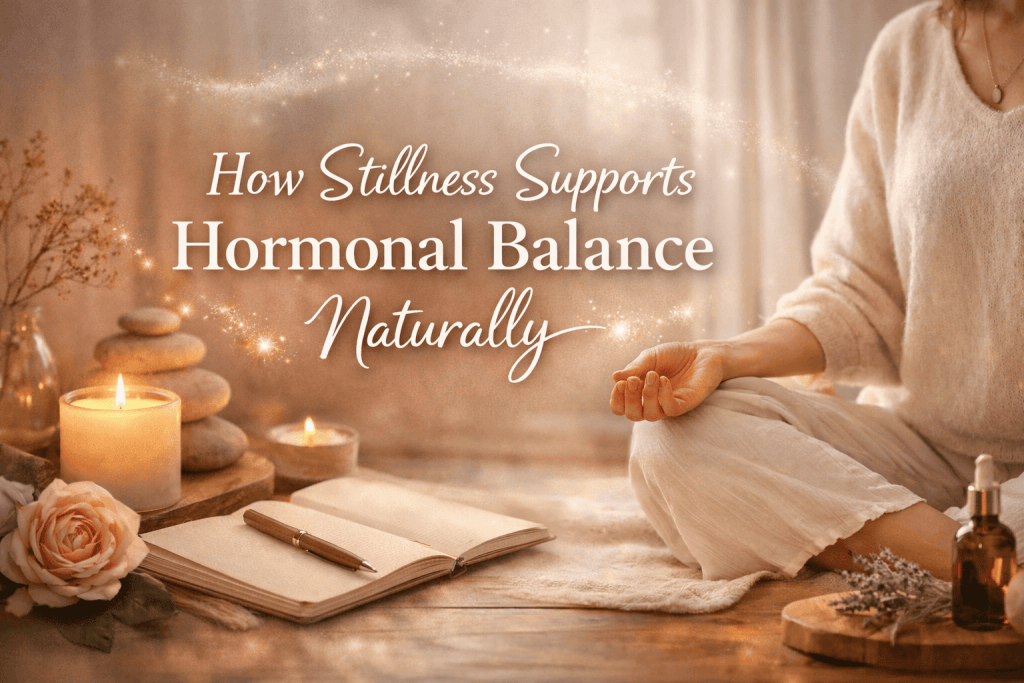
Stillness — the soft, sacred pause — is not a luxury. It is a biological requirement for hormonal harmony.
This article explores how stillness, slow living, and the Japanese concept of Ma can help women naturally balance hormones, reduce stress, and reclaim emotional steadiness.
🌸 The Cortisol–Progesterone Connection (The “Steal” Phenomenon)
When a woman’s body is under chronic stress, it prioritizes survival over reproduction. This is known as the pregnenolone steal — a process where the body diverts pregnenolone (the precursor to progesterone) toward cortisol production instead. Over time, this imbalance can leave women feeling wired yet exhausted.
🔬 The Science Behind It
According to research archived on PubMed, chronic stress elevates cortisol and suppresses progesterone synthesis, disrupting ovulation and emotional stability. Another study in Psychoneuroendocrinology found that women in perimenopause experience heightened cortisol reactivity, making them more sensitive to stress.
🌸 Common Signs of Cortisol Dominance
- Adult acne and skin inflammation
- Heavy or irregular menstrual cycles
- Fatigue and sleep disturbances
- Anxiety or irritability
- Sugar cravings and midsection weight gain
🌿 4 Somatic Practices for Nervous System Regulation
Modern wellness searches increasingly focus on somatic regulation — gentle, body‑based techniques that calm the nervous system and restore hormonal harmony.
1. Box Breathing
A structured breath pattern that signals safety to the brain. Step‑by‑step:
- Inhale for 4 seconds
- Hold for 4 seconds
- Exhale for 4 seconds
- Hold again for 4 seconds Repeat for 5 rounds. This technique lowers cortisol and activates the parasympathetic system.
2. Non‑Sleep Deep Rest (NSDR)
A 10‑minute guided rest practice popularized by neuroscientist Dr. Andrew Huberman. It’s a modern alternative to meditation — helping the body enter a restorative state without mental effort. You can record your own NSDR script or use gentle music from SproutHealth.co’s Calming Night Journal playlist.
3. Physiological Sighs
Clinically validated by Stanford researchers, this involves two quick inhales followed by one long exhale. It’s proven to reduce stress hormones within minutes and improve emotional regulation.
4. Legs‑Up‑The‑Wall Pose (Viparita Karani)
This gentle inversion allows blood to pool back toward the heart, activating the baroreceptors that signal relaxation. It’s a simple way to flip the parasympathetic switch — ideal before bedtime or during emotional overwhelm.
🌸 Data Table: Stress States and Daily Antidotes
| Stress State | Active Hormone Dominance | Impact on Body | Daily Antidote |
|---|---|---|---|
| Sympathetic | Cortisol / Adrenaline | Suppresses ovulation, triggers inflammation | 5‑min physiological sigh |
| Parasympathetic | Progesterone / DHEA | Supports thyroid function, deep sleep | NSDR / Stillness rituals |
🌼 Frequently Asked Questions
How long does it take to balance hormones naturally?
Typically, women notice improvements after three complete menstrual cycles — roughly 90 days, which aligns with the body’s cellular turnover rate.
What are the signs of high cortisol in women?
- Persistent fatigue despite rest
- Sugar or caffeine dependence
- Sleep disturbances (especially waking at 3 AM)
- Mood swings and anxiety
- Weight gain around the abdomen
- Irregular menstrual cycles
🌺 Clinical Proof and Holistic Integration
According to a study archived on PubMed Central, targeted mindfulness and breathwork practices significantly reduce serum cortisol levels and improve emotional resilience. Pair these scientific insights with gentle rituals — rose bud tea, aromatherapy roll‑ons, and journaling — to create a holistic daily rhythm that supports hormonal balance naturally.
💗 Closing Reflection
Your hormones are not broken; they’re simply responding to the pace of your life. When you slow down, breathe deeply, and honor your body’s need for rest, your endocrine system begins to trust you again. Stillness — or somatic regulation — is not passive; it’s active healing. It’s how your body remembers safety, and safety is the soil where balance blooms.
🌸 The Hormone–Nervous System Connection
Why Stress Hits Women Harder After 35
Hormones don’t float around randomly. They are deeply influenced by the HPA axis — the stress‑response system involving the hypothalamus, pituitary gland, and adrenal glands.
When stress is chronic, the HPA axis becomes dysregulated, leading to:
- High cortisol
- Low progesterone
- Estrogen dominance
- Thyroid slowdown
- Blood sugar instability
📌 Scientific Insight
A 2015 study in The Journal of Clinical Endocrinology & Metabolism found that chronic stress disrupts progesterone production, worsening PMS, anxiety, and perimenopause symptoms.
Another study published in Psychoneuroendocrinology showed that women’s cortisol responses intensify during perimenopause, making them more sensitive to stress.
This is why women 35–55 often experience:
- Mood swings
- Sleep issues
- Weight gain around the belly
- Hot flashes
- Anxiety
- Irregular cycles
And here’s the key:
When the nervous system calms, hormones follow.
🌿 What Is Stillness?
And Why It’s Not the Same as Meditation
Stillness is not sitting cross‑legged for 30 minutes. It is not forcing the mind to be quiet.
Stillness is:
- A softening
- A slowing
- A pause between moments
- A return to yourself
In Japanese culture, this is called Ma — the meaningful space between things. The pause that gives life its rhythm.
Stillness can be:
- Sitting with a cup of warm tea
- Watching sunlight move across the floor
- Breathing deeply for 60 seconds
- Closing your eyes between tasks
- Resting your hand on your heart
Stillness is the antidote to overstimulation — and overstimulation is the enemy of hormonal balance.
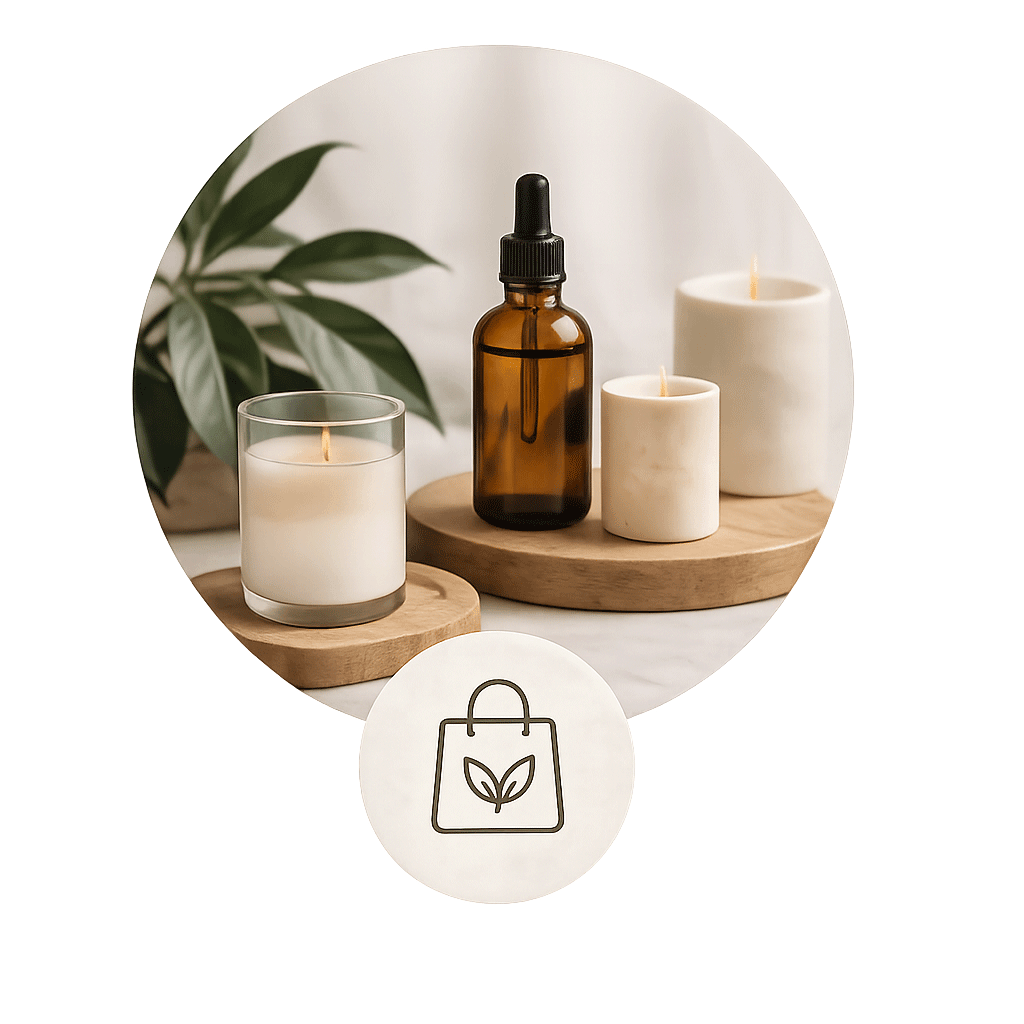
🌿 Explore the SproutHealth Wellness Shop
Visit SproutHealth.co
to shop our curated collection of wellness, home, beauty, fitness, and lifestyle essentials.
Discover thoughtful products designed to bring comfort, ease, and inspiration into your everyday life.
🌙 How Stillness Regulates Hormones Naturally
The Science Behind the Sacred Pause
1. Stillness Lowers Cortisol
When you pause, breathe, or sit quietly, your vagus nerve activates. This shifts your body from fight‑or‑flight to rest‑and‑restore.
A 2018 study in Frontiers in Psychology found that even 5 minutes of intentional stillness reduces cortisol levels.
2. Stillness Supports Progesterone
Progesterone is the calming hormone. But chronic stress “steals” progesterone to make more cortisol — a phenomenon called pregnenolone steal.
Stillness reduces this hormonal theft.
3. Stillness Balances Estrogen
High cortisol increases inflammation, which worsens estrogen dominance. Stillness reduces inflammatory markers like IL‑6 and CRP.
4. Stillness Improves Thyroid Function
Stress suppresses TSH and slows T4‑to‑T3 conversion. Stillness restores parasympathetic dominance, supporting thyroid metabolism.
5. Stillness Stabilizes Blood Sugar
Calm nervous system = better insulin sensitivity. This is crucial for midlife weight management.
🌼 The Science of “Ma” — The Healing Power of the Pause
In Japanese aesthetics, Ma is the intentional emptiness that gives meaning to everything else.
In life, Ma looks like:
- A pause before responding
- A breath before reacting
- A moment of silence before the next task
Biologically, Ma:
- Resets the vagus nerve
- Reduces sympathetic overdrive
- Creates emotional spaciousness
- Allows hormones to recalibrate
Women who practice Ma often report:
- Fewer hot flashes
- Better sleep
- Less irritability
- More emotional steadiness
- Improved digestion
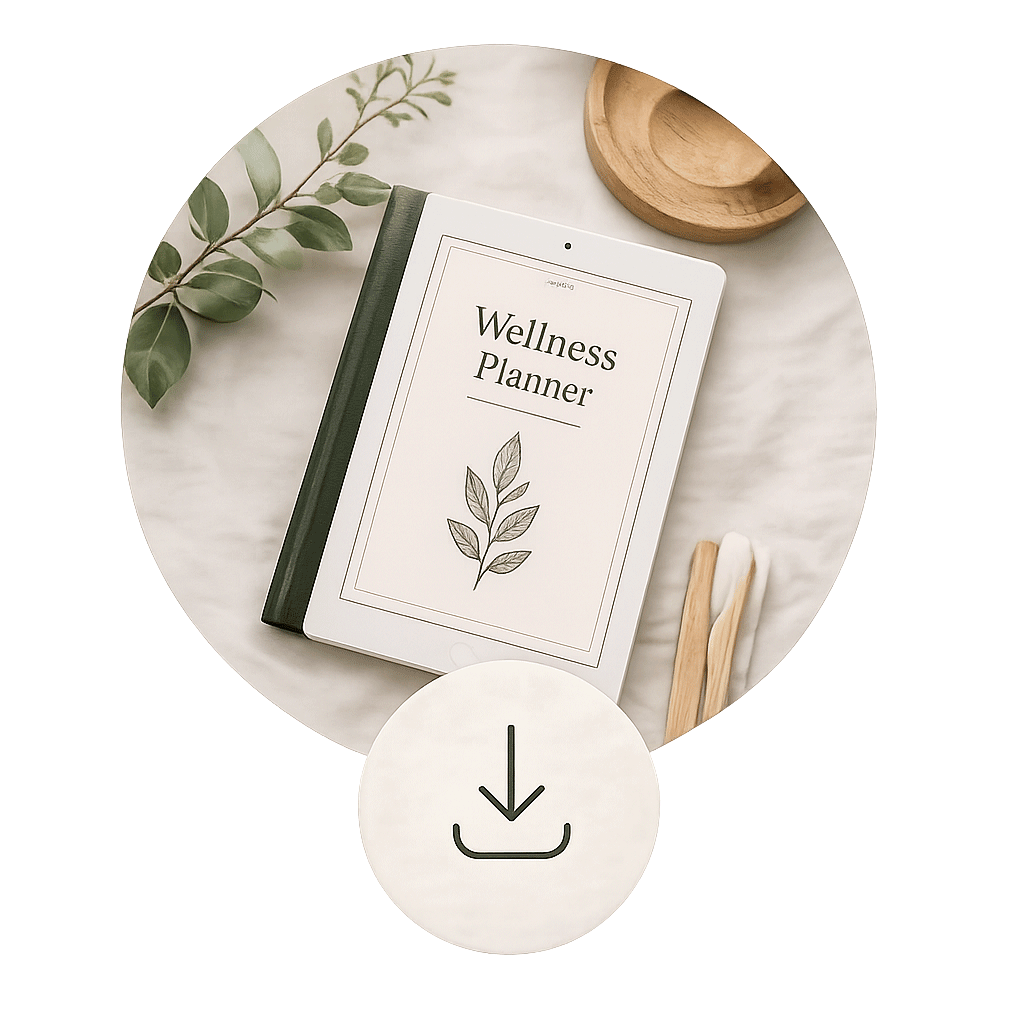
🌸 Menopause Journal Tracker Bundle
Grab the Menopause Journal Tracker Bundle today and get the
Self-Compassion Journal completely FREE — because your wellbeing deserves gentle care, clarity, and support.
Printable • Gentle Wellness Support • Beautifully Designed
🌺 Daily Stillness Rituals for Hormonal Harmony
🌅 Morning Rituals
- Wake slowly
- Drink warm lemon water
- 2 minutes of coherent breathing
- Sunlight on your face
☀️ Midday Rituals
- A 3‑minute Ma pause
- Step outside for fresh air
- Shoulder drop + long exhale
🌙 Evening Rituals
- Dim lights
- Lavender or rose aromatherapy
- Gentle journaling
- Warm herbal tea
🌹 Stillness + Aromatherapy + Journaling
A Trio That Deeply Supports Hormones
The limbic system — the emotional brain — is directly connected to:
- Hormones
- Memory
- Stress responses
Aromatherapy and journaling both soothe the limbic system, making them powerful hormonal allies.
Gentle Product Mentions (SproutHealth.co)
- Rose Bud Tea — a calming, heart‑opening tea that supports emotional balance
- Hibiscus Tea — rich in antioxidants, supports blood pressure and stress reduction
- Calming Night Journal — for emotional release before sleep
- Aromatherapy Roll‑Ons — grounding scents for the nervous system, calm
🌿 A 7‑Day Stillness Reset for Hormonal Harmony
Day 1: 3 minutes of silence
Day 2: Slow morning ritual
Day 3: Digital sunset
Day 4: Aromatherapy pause
Day 5: Gentle journaling
Day 6: Nature stillness
Day 7: Sacred bath + Ma reflection
This reset helps the nervous system shift into a calmer baseline — the foundation of hormonal balance.
🌸 What Women Ask Most
1. Can stress really cause a hormonal imbalance?
Yes. Chronic stress disrupts cortisol, progesterone, estrogen, thyroid hormones, and insulin.
2. How long does it take to balance hormones naturally?
Most women feel shifts within 4–12 weeks of consistent nervous system regulation.
3. Can stillness reduce belly fat?
Indirectly, yes — by lowering cortisol and stabilizing blood sugar.
4. Does slowing down help with hot flashes?
Yes. Stress is a major trigger for vasomotor symptoms.
5. Why do I feel overwhelmed all the time?
Your nervous system may be stuck in sympathetic overdrive.
6. Can I balance hormones without supplements?
Lifestyle changes — especially stillness — play a major role.
7. Why am I waking up at 3am?
This is often linked to cortisol spikes or blood sugar dips.
🌙 The Heart of It All
Hormonal Balance Begins With Safety, Not Struggle
Your hormones are not misbehaving. Your body is not failing you. You are not “too emotional” or “too sensitive.”
You are simply overstimulated in a world that demands too much.
Stillness is how you return home to yourself.
Stillness is how your hormones find their rhythm again.
Stillness is how your nervous system whispers, “You are safe now.”

Related reading: part of our Complete Guide to Perimenopause and Menopause