
Have you noticed that no matter how many tasks you complete, your body never truly feels rested?
You finally sit down after a long day, yet your shoulders remain tight. Your jaw clenches without realizing it. Thoughts race long after the lights are off, and despite sleeping eight hours, you wake up feeling as though you never slept at all.
This experience is becoming increasingly common among women today.
We live in a culture that quietly rewards constant productivity. Emails during breakfast, podcasts while folding laundry, social media before our feet touch the floor — and somehow we convince ourselves that slowing down is laziness rather than wisdom.
Many women have become experts at surviving. Very few have been taught how to truly recover.
If you’ve been feeling wired but tired, unusually anxious, chronically exhausted, or unable to switch your mind off, the problem may not be motivation or discipline.
Your nervous system may simply be asking for a reset.
The beautiful news? Healing doesn’t always begin with a luxury retreat or expensive supplements. Sometimes it begins with something wonderfully ordinary:
- A slower morning
- A deeper breath
- A cup of tea enjoyed without rushing
- Five quiet minutes where your body remembers what safety feels like
That is the quiet power of slow living.
Here at Holistic Wellness Hub, I believe calm isn’t something we earn after finishing our to‑do list. Calm is our natural state. And every gentle choice we make becomes an invitation for our nervous system to return home.
What Is a Nervous System Reset?
A nervous system reset helps the body move out of prolonged fight‑or‑flight and back into rest, repair, and restoration.
🌿 Sympathetic Nervous System: Survival Mode
This is your emergency response. When the brain senses danger — or simply overwhelming stress — it activates:
- Heart rate rises
- Breathing becomes shallow
- Cortisol and adrenaline surge
- Digestion slows
Helpful in true emergencies, but modern life convinces the brain that everything is urgent.
🌸 Parasympathetic Nervous System: Safety Mode
This is where healing happens. Often called “rest‑and‑digest,” it:
- Slows heart rate
- Improves digestion
- Supports hormonal balance
- Strengthens immunity
- Enhances sleep quality
A reset isn’t about forcing relaxation. It’s about sending repeated signals of safety so the body can let go of survival mode.
Why Women Experience Nervous System Overload Differently
Women’s nervous systems often carry invisible emotional labor: careers, caregiving, relationships, household responsibilities, and the quiet expectation of holding everything together.
Even joyful responsibilities require energy. The body doesn’t distinguish “good stress” from “bad stress.”
Hormonal changes add another layer. During perimenopause and menopause, estrogen fluctuations make women more sensitive to stress, disrupted sleep, and emotional overwhelm.
No wonder so many women whisper:
“I’m exhausted… but I can’t relax.”
🌸 Menopause Journal Tracker Bundle
Grab the Menopause Journal Tracker Bundle today and get the
Self-Compassion Journal completely FREE — because your wellbeing deserves gentle care, clarity, and support.
Printable • Gentle Wellness Support • Beautifully Designed
Signs Your Nervous System May Be Dysregulated
Your body speaks long before it shouts. Many of us ignore the whispers.
🌿 Physical Signs
- Constant fatigue
- Tight shoulders or neck
- Jaw clenching or teeth grinding
- Digestive discomfort
- Shallow breathing
- Feeling overstimulated by noise
- Hormonal fluctuations worsened by stress
- Difficulty falling asleep despite exhaustion
🌸 Emotional Signs
- Overwhelm by small tasks
- Irritability or reactivity
- Persistent anxiety
- Guilt when resting
- Feeling disconnected from joy
🌙 Mental Signs
- Racing thoughts
- Brain fog
- Forgetfulness
- Always rushing
- Inability to switch off
These are not “just adulthood.” They are signs your nervous system has been in survival mode too long.
The Essence of Grounded Healing
Nervous system regulation is achieved through intentional, small-scale actions that honor your body’s need for safety:
- •
Embracing sacred micro-rituals for instant, daily grounding. - •
Creating “white space” in your schedule to allow dedicated room for rest. - •
Curating the sensory environment to foster deep, lasting restoration.
These practices, which prioritize a slower, more intentional daily flow, help anchor the body amidst busy, overstimulating routines.
Why Chronic Stress Changes the Way We Experience Life
The nervous system adapts. Constant stress rewires it to expect stress.
Like living beside a busy road — at first the noise is startling, eventually it becomes normal.
Stress becomes the default. Silence feels uncomfortable. Rest creates guilt.
Your body isn’t broken. It has learned to protect you. And what has been learned can be gently unlearned — through consistent moments of safety.
Healing Begins With Permission
For years, we believed healing meant pushing harder. Yet the deepest healing begins when we choose the opposite:
- Breathing before reacting
- Walking without rushing
- Creating space between tasks
- Remembering our worth is not measured by exhaustion
Your nervous system isn’t asking you to become someone else. It’s inviting you home to the woman you’ve always been beneath the noise.
🌸 Why Slow Living Is One of the Most Powerful Ways to Heal Your Nervous System
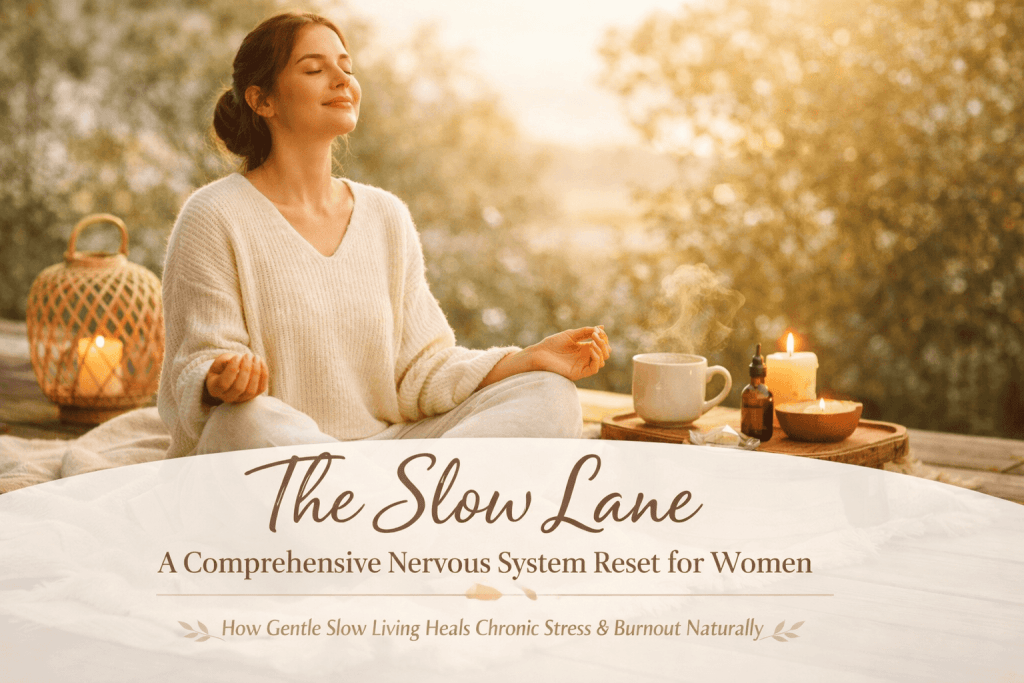
When most people hear slow living, they picture cozy mornings, candles, warm tea, and peaceful walks through nature.
While those images are lovely, slow living is far more than an aesthetic. It is biology.
Every choice we make sends a message to the nervous system.
Some choices whisper: “You’re not safe. Hurry.” Others gently say: “You can breathe now. Everything is okay.”
Your nervous system is constantly listening. Long before your conscious mind decides whether you feel stressed, your body has already interpreted hundreds of tiny signals:
- Bright lights
- Phone notifications
- Background television
- Multitasking
- Rushing between appointments
- Eating while standing
- Checking emails before sunrise
Individually, these may seem small. Together, they create an environment where the brain rarely experiences safety.
Slow living interrupts that pattern. Instead of asking your body to constantly perform and push forward, it gently reminds your nervous system: life is no longer an emergency.
That single shift changes everything.
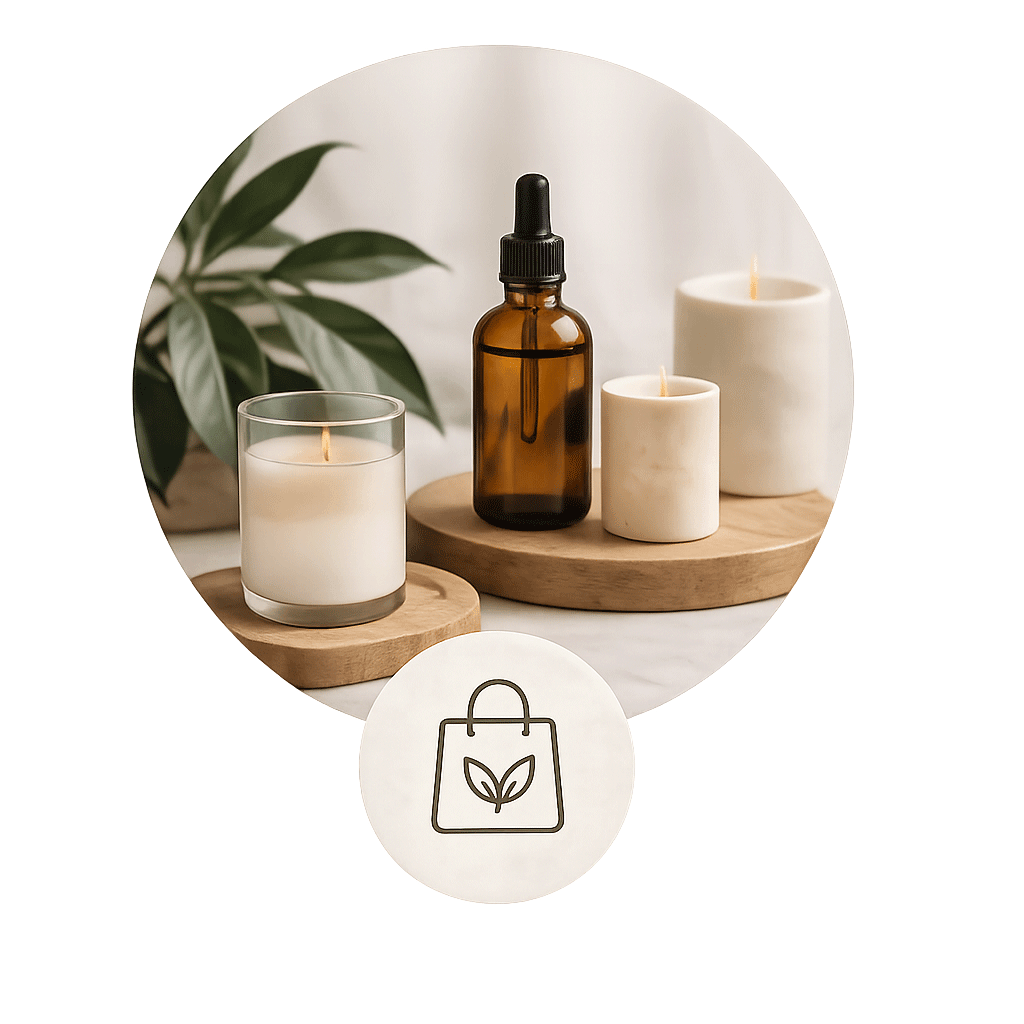
🌿 Explore the SproutHealth Wellness Shop
Visit SproutHealth.co
to shop our curated collection of wellness, home, beauty, fitness, and lifestyle essentials.
Discover thoughtful products designed to bring comfort, ease, and inspiration into your everyday life.
🌿 Meet the Vagus Nerve: Your Body’s Built‑In Calm Button
The vagus nerve is the body’s communication highway, connecting the brain with the heart, lungs, digestive system, and immune function.
Its role is extraordinary: helping the body move into rest, digestion, healing, and restoration.
When vagal tone is strong, you may notice:
- Steadier heart rate
- Deeper breathing
- Better digestion
- Emotional resilience
- Improved sleep quality
- Faster recovery after stress
Chronic stress weakens this pathway. The goal of a nervous system reset isn’t to eliminate stress — that’s impossible. It’s to help the body recover more efficiently.
This is where slow living becomes medicine.
🌸 The Hidden Cost of Always Being Busy
Modern culture celebrates busyness as achievement. But your nervous system doesn’t interpret rushing as success — it interprets it as danger.
Imagine two women preparing breakfast:
- Woman One: rushing, checking messages, answering emails, listening to the news, mentally planning the day.
- Woman Two: noticing the warmth of her tea, opening a window, taking three slow breaths.
The meal is identical. The nervous system experience is completely different.
One body receives urgency. The other receives safety.
Over weeks, these small differences accumulate into profound physiological change. Healing rarely arrives through one breakthrough. It grows quietly through ordinary moments repeated with intention.
🌿 Your Five‑Step Slow Living Blueprint for a Nervous System Reset
You don’t need to overhaul your life overnight. Consistency matters more than perfection.
1. Protect the First Thirty Minutes of Your Morning
- Action: Create an input‑free morning. Step outside, drink water slowly, stretch, notice the air.
- Why: Natural light regulates circadian rhythm, supports cortisol balance, and encourages restful sleep.
2. Somatic Micro‑Pauses Throughout the Day
- Action: Pause for 60 seconds. Notice tension, sigh deeply, shake out your arms.
- Why: Prevents stress from accumulating in muscles and breath.
3. Rediscover the Art of Single‑Tasking
- Action: Choose one daily task — tea, dishes, folding towels — and do only that.
- Why: Ordinary rituals become moving meditations, restoring presence.
4. Let Nature Become Your Co‑Regulator
- Action: Spend time in green spaces, walk barefoot, sit under a tree.
- Why: Research shows nature reduces cortisol, lowers blood pressure, and improves mood.
5. Create a Gentle Digital Sunset
- Action: Put screens away one hour before bed. Light a candle, journal, stretch, sip herbal tea.
- Why: Signals the brain that the day is complete, supporting deeper sleep and hormonal balance.
🌸 Remember: Healing Happens in Small Moments
Healing doesn’t require retreats or hours of silence. It happens through repetition:
- A deep breath before answering the phone
- A slow cup of tea
- Five minutes in the morning sun
- One mindful walk
- One evening without scrolling
🌿 Gentle Tools to Support Your Nervous System Reset
If you’d love to bring these slow living rituals into your daily routine,
explore our thoughtfully curated wellness collection at
SproutHealth.co
— created to nurture calm, balance, and feminine wellbeing.
☕ Artisanal Mugs
Create mindful tea rituals that bring warmth and presence to your mornings.
✨ Cozy Lighting
Soft ambient lighting to support peaceful evenings and a gentle digital sunset.
🌸 Sensory Wellness
Aromatherapy tools and calming essentials that help your nervous system feel safe.
💚 Science & Tech Wellness
Thoughtfully selected wellness innovations designed to encourage relaxation and restorative sleep.
Every product is carefully chosen to help women reconnect with their natural rhythm—turning everyday moments into gentle healing rituals.
🌸 How Long Does It Take to Reset Your Nervous System?
This is one of the most common questions I receive, and the answer is both encouraging and deeply personal.
The truth is: your nervous system can begin responding to signals of safety within minutes — but healing from months or years of chronic stress is a gentler journey.
Think of it this way: if you’ve been carrying a heavy backpack for years, setting it down brings immediate relief. Yet it takes time for your muscles to fully recover. Your nervous system works in much the same way.
🌿 A 5‑Minute Reset
Simple practices — slow breathing, stepping into morning sunlight, or taking a mindful walk — can reduce stress intensity in just a few minutes. These moments don’t erase chronic stress, but they interrupt the cycle and remind your body that safety still exists.
🌸 A Few Weeks of Consistency
After several weeks of gentle regulation practices, many women notice:
- Deeper sleep
- Calmer responses to stress
- Less muscle tension
- Improved digestion
- More stable energy
- Fewer moments of overwhelm
Progress is rarely linear. Some days feel peaceful, others more challenging. Healing isn’t measured by never feeling stressed again — it’s measured by how gently and quickly your body can return to calm.
🌙 Healing from Chronic Burnout
If you’ve spent years in survival mode, recovery may take several months. That isn’t failure — it’s a reflection of how wisely your nervous system adapted to protect you.
Your body isn’t resisting healing. It’s learning to trust again. And trust is built slowly: one peaceful morning, one mindful breath, one quiet evening at a time.
🌸 Can Doing Less Really Improve Your Health?
For many women, this question feels almost rebellious. We’ve been taught that success means doing more, moving faster, proving our worth through productivity.
Yet biology tells a different story. When the nervous system feels safe, remarkable things happen naturally:
- Breathing deepens
- Digestion improves
- Stress hormones settle
- Immunity strengthens
- Sleep restores
- Hormones balance
- Clarity returns
Rest is not the opposite of productivity. Rest makes sustainable productivity possible. Sometimes the most healing thing you can do today is not another task — but creating space for your body to remember how to heal itself.
🌿 Gentle Questions to Ask Yourself
Instead of asking, “How can I get more done today?” try:
- What would help my body feel safe right now?
- Where am I holding unnecessary tension?
- Have I taken one slow breath today?
- When was the last time I enjoyed a quiet moment?
- What can I lovingly remove from today’s schedule?
These questions shift focus from performance to presence. And presence is where healing begins.
🌸 Frequently Asked Questions
What are the signs of a dysregulated nervous system? Fatigue, anxiety, shallow breathing, digestive discomfort, brain fog, poor sleep, muscle tension, jaw clenching, emotional overwhelm, and feeling constantly “on edge.”
What is the fastest way to calm the nervous system naturally? There’s no single solution. Practices like slow breathing, morning sunlight, mindful walking, gentle stretching, time in nature, and reducing digital stimulation all help.
Can slow living reduce anxiety? Yes — while not a replacement for professional care, slow living practices reduce unnecessary stress, improve emotional regulation, and support healthier daily rhythms.
How often should I practice nervous system reset techniques? Small daily rituals are more effective than occasional intensive sessions. Even five to ten minutes of intentional slowing down each day can support regulation.
Is burnout the same as a dysregulated nervous system? Not exactly. Burnout is exhaustion across body, mind, and emotions. Nervous system dysregulation is being stuck in survival mode. They often overlap, which is why gentle recovery practices are so valuable.
🌸 A Gentle Invitation to Begin Today
Perhaps you’ve been waiting for life to become less busy before resting. But what if peace isn’t waiting at the finish line? What if it has been quietly waiting for you all along?
Healing doesn’t ask you to become someone new. It invites you back to yourself.
You don’t need the perfect routine, an expensive retreat, or a different life. You only need one small moment of kindness toward your nervous system today:
- Step outside for five quiet minutes
- Drink tea without your phone
- Say “no” to one draining commitment
- Turn off screens a little earlier tonight
Small moments become gentle habits. Gentle habits become a peaceful lifestyle. And over time, that lifestyle becomes your new normal.
Because calm was never something you had to earn. It has always been your birthright.
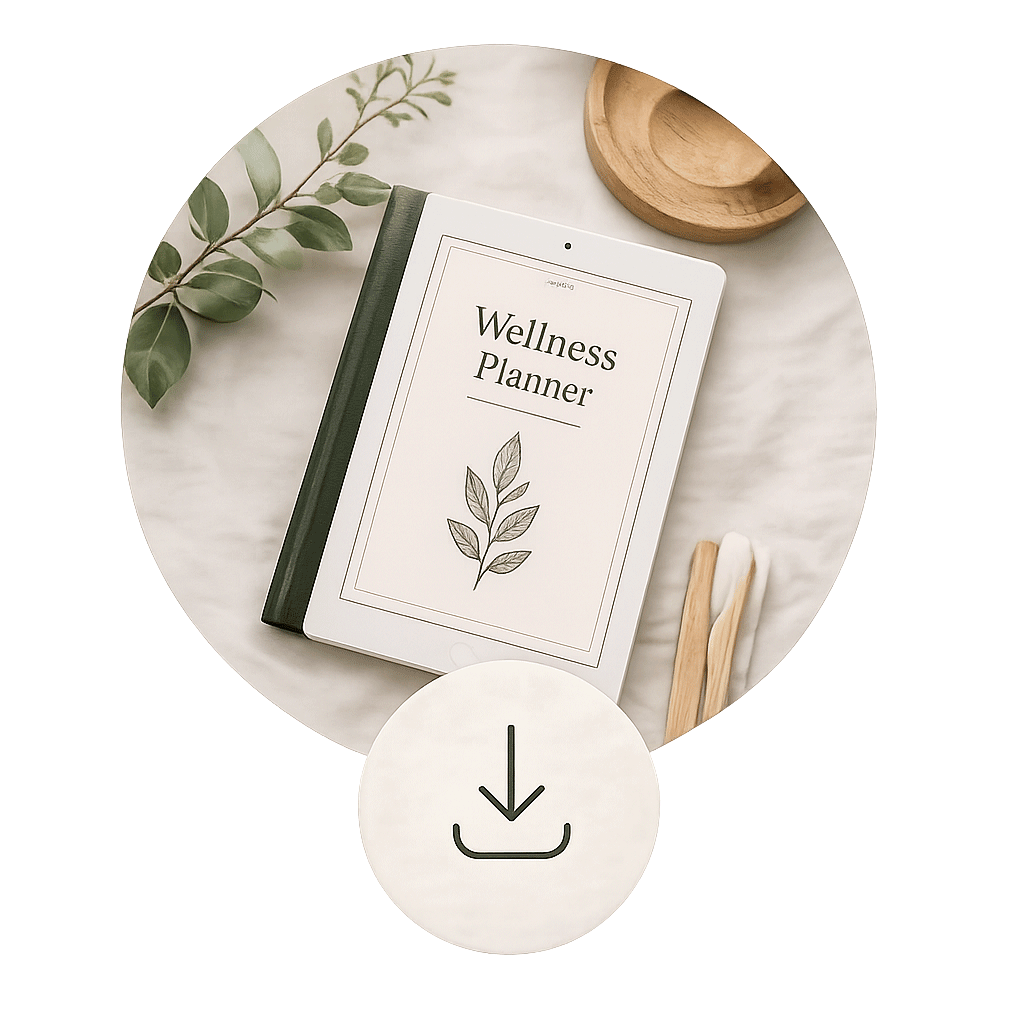
Your Calm Within Journal PDF is ready for you, dear one. Click below to download and begin your gentle nervous system reset today:
Download the Calm Within Journal