
There is a moment in every woman’s life when her body whispers, “Slow down.” Sometimes it’s a gentle nudge — a sigh, a tired morning, a craving for silence. Other times it’s louder — anxiety, fatigue, hormonal imbalance, or the feeling of being stretched too thin.
For years, I believed that the solution to stress was better organization, stronger discipline, or squeezing more productivity out of myself. But the truth is simpler and far more profound: healing begins when we stop doing so much.
Women are not meant to live in constant output mode. Our bodies are cyclical, intuitive, and deeply responsive to rest. When we honor that, everything changes — our hormones, our energy, our mood, our clarity, and our sense of self.
This is the quiet revolution of doing less. And it’s one of the most powerful forms of healing available to us.
🌿 The Science Behind Slowing Down
To understand why doing less is so transformative, we need to look at the nervous system — the command center of our emotional and physical health.
The Two Modes of the Nervous System
Your body operates in two primary states:
- Sympathetic Nervous System (Fight or Flight): Activated by stress, deadlines, multitasking, emotional labor, and constant stimulation.
- Parasympathetic Nervous System (Rest and Digest): Activated by slowness, deep breathing, warm drinks, candlelight, gentle movement, and mindful rituals.
Most women today live almost entirely in sympathetic mode. Even when we’re sitting still, our minds are racing. This chronic activation floods the body with cortisol, which disrupts:
- Hormones
- Digestion
- Sleep
- Immunity
- Emotional regulation
- Skin health
- Metabolism
Doing less is not a luxury — it is a biological requirement for healing.
🌸 Menopause Journal Tracker Bundle
Grab the Menopause Journal Tracker Bundle today and get the
Self-Compassion Journal completely FREE — because your wellbeing deserves gentle care, clarity, and support.
Printable • Gentle Wellness Support • Beautifully Designed
🌸 Why Women Are More Affected by Overdrive
Women’s bodies are uniquely sensitive to stress because of the delicate interplay between estrogen, progesterone, and cortisol.
1. Hormonal Sensitivity
Chronic stress lowers progesterone, the calming hormone, and disrupts estrogen balance. This leads to:
- Anxiety
- Mood swings
- PMS
- Irregular cycles
- Hot flashes
- Sleep disturbances
2. Emotional Labor
Women often carry invisible responsibilities — remembering appointments, managing relationships, caring for others, and maintaining the emotional climate of the home.
This constant mental load keeps the nervous system activated.
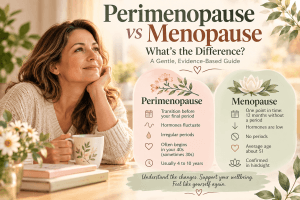
3. Perimenopause & Menopause
During these transitions, the body becomes even more sensitive to stress. Doing less becomes essential for:
- Sleep quality
- Weight regulation
- Emotional stability
- Cognitive clarity
Learn more in midlife wellness insights.
🌼 The Healing Power of Doing Less
When you slow down, your body shifts into parasympathetic mode — the state where healing happens.
1. Hormonal Rebalancing
Lower cortisol means better estrogen and progesterone harmony. This supports:
- Fertility
- Mood
- Skin health
- Metabolism
2. Cellular Repair
Rest activates autophagy, the body’s natural detox and repair process.
3. Improved Sleep
Doing less in the evening helps melatonin rise naturally.
4. Emotional Release
Stillness allows suppressed emotions to surface and be processed.
5. Creativity & Intuition
When the mind is quiet, clarity emerges.
☕ Micro‑Wellness Rituals That Support Healing
Healing doesn’t require a retreat. It begins with small, sensory moments.
Morning Rituals
- Sip warm water or tea slowly.
- Avoid rushing.
- Set gentle intentions. Explore slow morning routines.
Midday Rituals
- Step outside for sunlight.
- Stretch your body.
- Take 3 deep breaths.
Evening Rituals
- Dim lights.
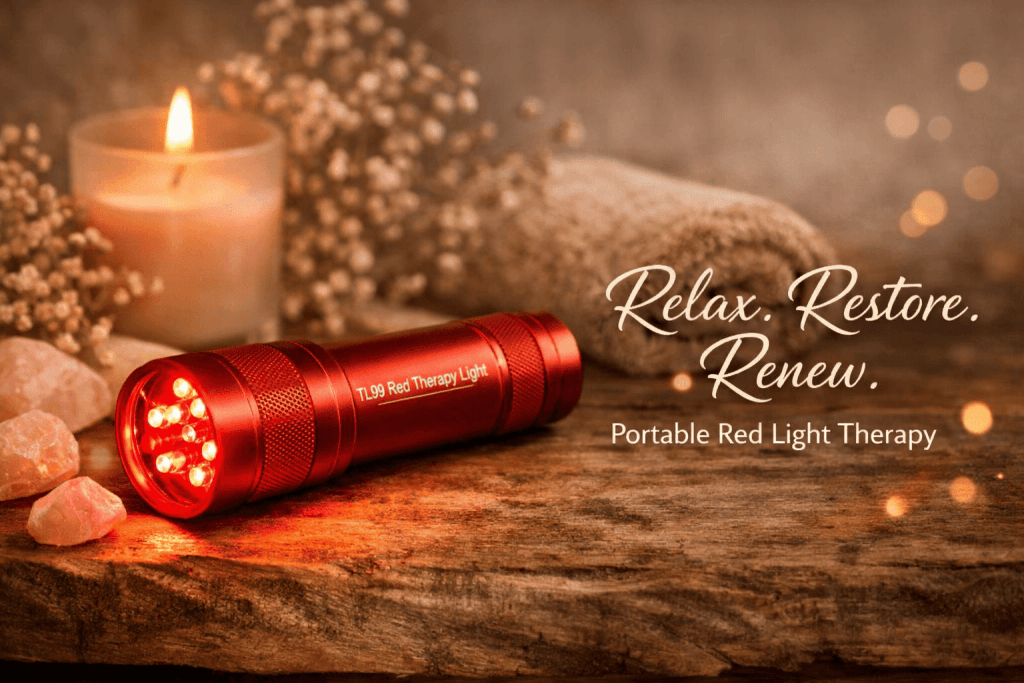
- Use your LED photon mask.
- Journal your thoughts. Try mindful evening routines.
🌙 The Feminine Energy of Rest
Doing less reconnects you to your feminine energy — the energy of intuition, softness, and receiving.
This is not weakness. It is power. It is the energy that heals, nourishes, and restores.
When women honor their natural rhythms, they return to themselves.
🌺 Practical Ways to Begin Doing Less
Here are simple ways to integrate slowness into your life:
1. Create White Space
Leave small pockets of unplanned time in your day.
2. Say No More Often
Protect your energy like it’s sacred — because it is.
3. Simplify Your Evenings
Replace screens with candlelight and warm drinks.
4. Practice Mindful Pauses
Even 60 seconds of stillness can shift your nervous system.
5. Embrace Imperfection
Let go of the need to do everything perfectly.
🌿 Explore the SproutHealth Wellness Shop
Visit SproutHealth.co
to shop our curated collection of wellness, home, beauty, fitness, and lifestyle essentials.
Discover thoughtful products designed to bring comfort, ease, and inspiration into your everyday life.
🌾 Emotional Healing Through Stillness
Doing less creates space for emotional clarity. When you stop rushing, your feelings finally have room to breathe.
Try this gentle ritual:
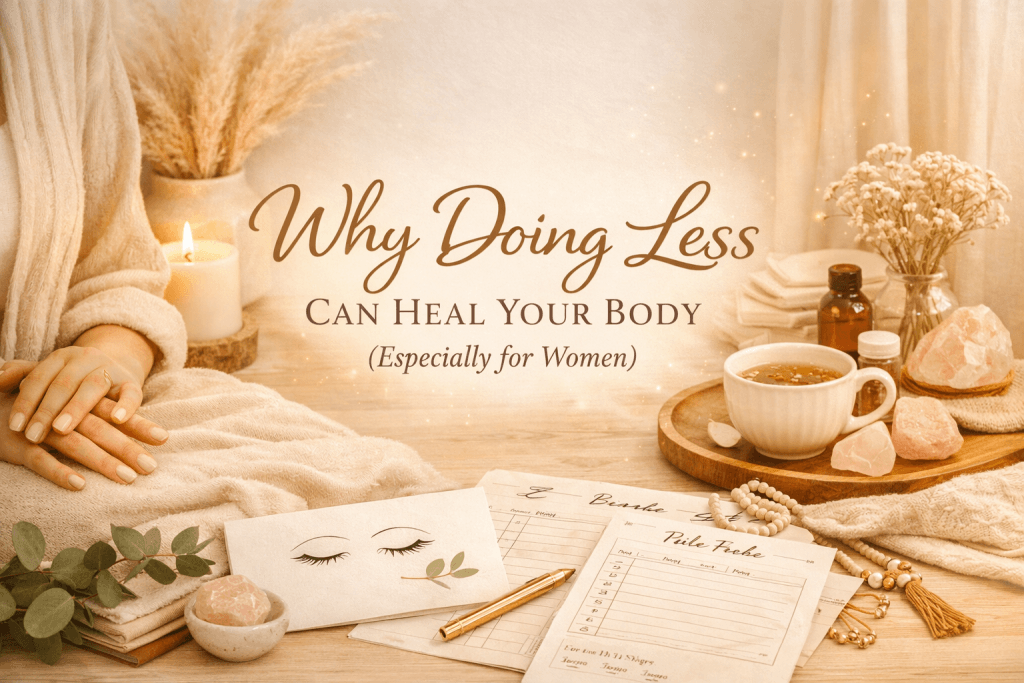
- Light a candle.
- Hold a warm mug.
- Write one sentence beginning with: “Today, I allow myself to…”
This simple practice can transform your emotional landscape.
🌿 The Ripple Effect of Rest
A rested woman is a powerful woman. Her presence calms her home, her relationships, and her community.
Doing less is not selfish. It is a gift to everyone around you.
🌸 Conclusion: Permission to Pause
You do not need to earn rest. You do not need to justify slowing down. Your body already knows how to heal — it simply needs space.
Tonight, choose softness. Choose slowness. Choose yourself.
Explore more in intentional living guides.
💬 Full FAQ Section
1. Is doing less the same as being unproductive?
No. Doing less restores your energy so you can do what matters with clarity and intention.
2. How do I start if I’m overwhelmed?
Begin with micro‑pauses. Even 2 minutes of deep breathing can shift your nervous system.
3. Will slowing down make me fall behind?
No — it helps you move from burnout to sustainable energy.
4. Why do I feel guilty when I rest?
Because society has conditioned women to equate worth with output. Rest is your birthright.
5. Can doing less help with hormonal imbalance?
Yes. Lower cortisol supports estrogen and progesterone balance.
6. Is this helpful during perimenopause?
Absolutely. Rest reduces hot flashes, anxiety, and sleep disturbances.
7. How long until I feel better?
Some women feel calmer within days; deeper healing unfolds over weeks.
8. What are the best rituals to start with?
Try slow mornings, digital detox hours, and evening wind‑down rituals.