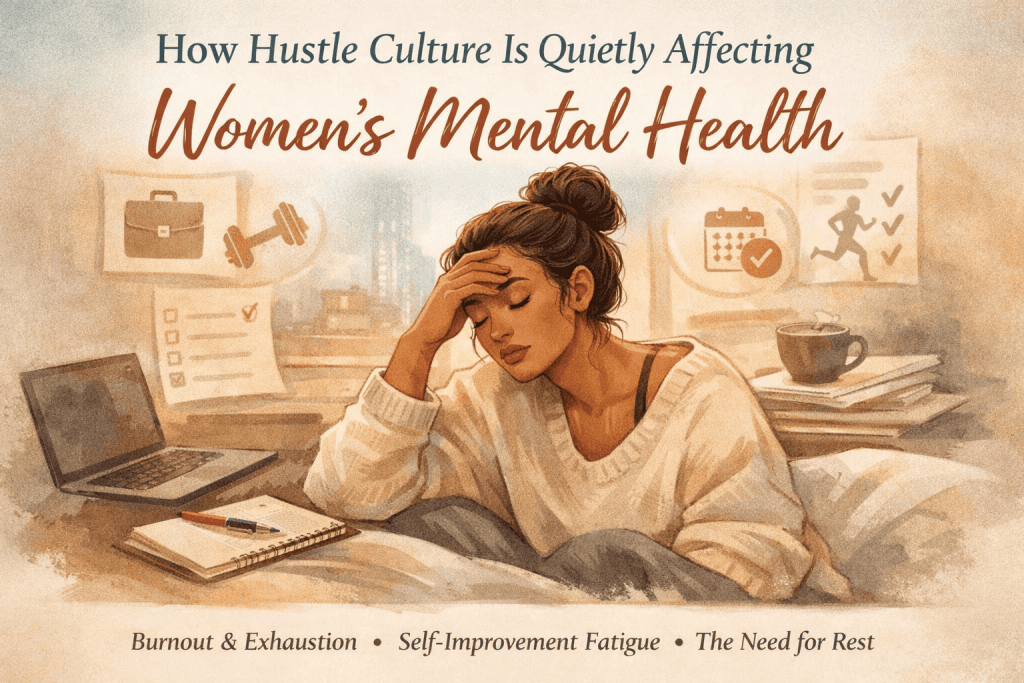


A Whole-Woman Wellness Perspective on Burnout, Emotional Exhaustion, and the Need for Rest
In the modern world, productivity has become a kind of currency.
The more we do, the more valuable we are made to feel.
Work harder.
Wake up earlier.
Optimize every hour of your day.
For many women, this constant pressure has quietly woven itself into daily life. Between careers, caregiving, relationships, health routines, and personal goals, the expectation to do it all has become normalized.
But beneath the surface of this productivity-driven culture lies a growing reality many women are beginning to acknowledge: deep emotional exhaustion.
The endless push to perform, improve, and achieve can slowly disconnect us from something essential — our nervous system’s need for rest, restoration, and gentleness.
The idea that rest itself can be a form of resistance was powerfully explored in the book Rest Is Resistance, written by rest activist Tricia Hersey.
Her message is simple yet radical in today’s culture:
Rest is not laziness. Rest is necessary for healing.
For women especially, reclaiming rest may be one of the most important acts of self-care and self-respect in the modern era.
Let’s explore how hustle culture affects women’s mental health — and how we can begin creating a healthier, gentler way of living.
What Is Hustle Culture?
Hustle culture is the belief that constant productivity is the key to success, worth, and fulfillment.
In hustle culture, being busy becomes a badge of honor.
Rest becomes something you “earn.”
And slowing down often brings guilt.
Social media has amplified this mindset dramatically. Every scroll can bring a flood of messages about:
• 5 a.m. morning routines
• productivity hacks
• side hustles
• perfect fitness habits
• endless personal growth goals
While ambition and growth are beautiful qualities, hustle culture often pushes these ideas to an extreme.
Instead of supporting wellbeing, it can create a subtle but powerful message:
If you’re not doing more, you’re falling behind.
For many women, this pressure is intensified by the multiple roles they hold — professional, caregiver, partner, parent, friend, and often emotional support for others.
The result is a life that feels constantly full, yet strangely draining.
Why Hustle Culture Affects Women Differently
Although hustle culture affects everyone, women often experience a unique combination of pressures.
Many women carry what researchers refer to as the mental load — the invisible planning, organizing, and emotional labor that keeps families and households functioning.
This includes things like:
• remembering appointments
• managing children’s schedules
• planning meals
• maintaining social relationships
• anticipating others’ needs
Even when these tasks are shared, the emotional and cognitive responsibility often falls heavily on women.
When you combine this invisible labor with career expectations and self-improvement culture, the pressure can become overwhelming.
Women today are frequently expected to:
• build successful careers
• maintain healthy lifestyles
• nurture families and relationships
• pursue personal growth
• stay organized and productive
All while appearing calm, balanced, and fulfilled.
It’s no surprise that emotional exhaustion has become increasingly common.
Emotional Exhaustion: The Hidden Burnout
Burnout is often discussed in terms of workplace stress. But for many women, burnout is much broader than that.
It can show up as a quiet, persistent sense of emotional depletion.
You might recognize it in moments like:
• feeling tired even after a full night’s sleep
• struggling to concentrate
• feeling overwhelmed by small tasks
• losing motivation for things you once enjoyed
This type of exhaustion doesn’t always come from a single major stressor.
More often, it comes from a thousand small demands layered on top of each other.
Each responsibility may seem manageable on its own. But together, they create a constant background strain on the nervous system.
When this state continues for months or years, the body and mind eventually begin asking for something essential: rest and recovery.
The Rise of Self-Improvement Fatigue
Ironically, even the wellness world can sometimes contribute to burnout.
In recent years, personal development and self-improvement content have exploded online. Podcasts, books, courses, and social media posts often promise ways to optimize every area of life.
Morning routines.
Habit trackers.
Productivity systems.
Biohacking techniques.
Many of these tools can be genuinely helpful. But when they become another source of pressure, they can create what many women now call self-improvement fatigue.
Instead of feeling inspired, you may feel like you are constantly trying to fix yourself.
There is always another habit to build.
Another routine to perfect.
Another goal to chase.
Over time, even the pursuit of wellness can start to feel exhausting.
The truth is that growth should feel supportive — not overwhelming.
Wellness should bring us back to ourselves, not push us further away.
The Nervous System Cost of Hustle Culture
Our bodies were never designed for constant output.
When we live in a state of ongoing productivity pressure, the nervous system can remain in chronic stress mode.
This activates the body’s stress response, often called the “fight or flight” state.
While this response is helpful in short bursts, staying in this state long-term can lead to a range of physical and emotional symptoms, including:
• anxiety
• sleep disturbances
• brain fog
• irritability
• hormonal imbalance
• persistent fatigue
Over time, the body begins to signal that something needs to change.
These signals are not weaknesses.
They are messages.
Your nervous system is asking for space, quiet, and restoration.
🌿 Discover More Wellness Essentials
Visit SproutHealth.co to shop our curated collection of wellness, home, beauty, fitness, and lifestyle essentials. Discover products that bring comfort, ease, and inspiration into your everyday life.
When Rest Feels Uncomfortable
One of the most challenging aspects of leaving hustle culture behind is that rest can initially feel uncomfortable.
If you’ve spent years measuring your worth through productivity, slowing down may trigger unexpected feelings:
• guilt
• anxiety
• restlessness
• the sense that you “should be doing something.”
This response is completely normal.
It simply means your nervous system has become accustomed to constant stimulation and output.
Learning to rest again is a gradual process — one that requires patience and compassion.
The Cultural Shift Toward Rest
Fortunately, a powerful cultural shift is beginning to take shape.
More women are speaking openly about burnout and emotional exhaustion. Conversations around boundaries, mental health, and sustainable living are becoming more common.
Movements encouraging slower living and nervous system care are gaining attention.
The work of Tricia Hersey and the philosophy behind Rest Is Resistance have helped spark an important dialogue: rest is not something we must earn.
Rest is a biological need.
Just like hydration, nourishment, and sleep.
And when women reclaim rest, they reclaim something deeper — the right to live in alignment with their bodies rather than constant external expectations.
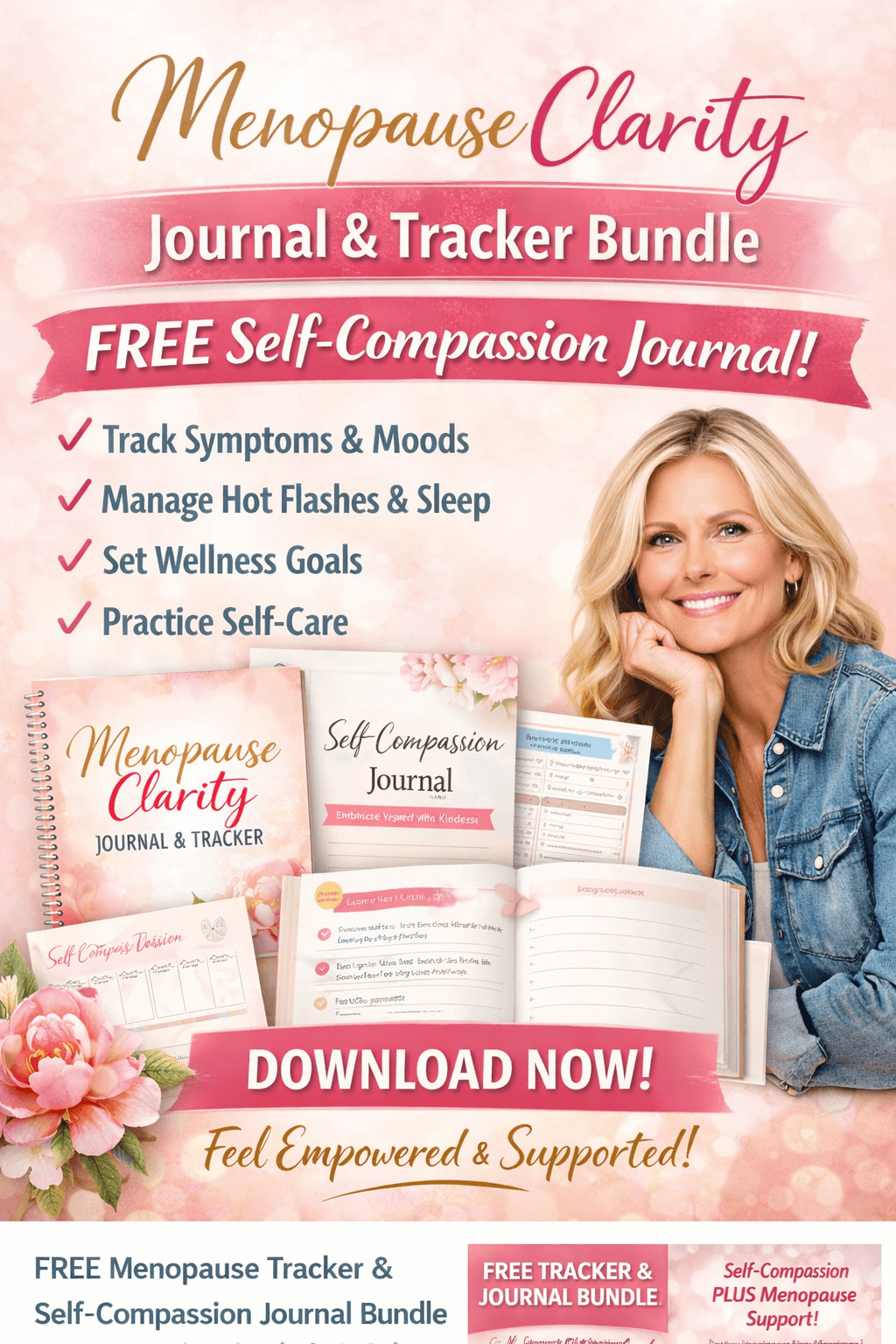
Menopause Clarity Journal & Tracker Bundle | Free Self-Compassion Wellness Planner (Digital Download)
Gentle Productivity: A Healthier Alternative
Rejecting hustle culture doesn’t mean abandoning ambition or purpose.
It simply means approaching productivity differently.
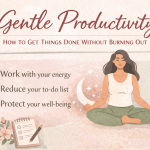
Instead of forcing ourselves to operate at maximum output every day, gentle productivity encourages working with our natural rhythms.
This approach focuses on:
• energy awareness
• realistic priorities
• restorative breaks
• compassionate self-talk
Some days you may feel energized and focused.
Other days you may need slower, quieter work.
Both are valid.
Gentle productivity recognizes that human beings are not machines.
Our energy moves in cycles.
When we honor those cycles, productivity becomes more sustainable — and far less stressful.
Reconnecting With a Softer Pace of Life
Healing from hustle culture often begins with small shifts.
It might start with allowing yourself a slower morning.
Instead of immediately reaching for your phone or diving into your to-do list, you may spend a few minutes simply breathing, stretching, or enjoying a quiet cup of tea.
These simple moments signal to the nervous system that it is safe to relax.
Over time, small rituals like these can help create a new rhythm — one that supports calm and clarity rather than constant urgency.
Many women find that soft morning rituals, mindful walks, journaling, or gentle movement can help restore a sense of balance.
The goal is not perfection.
The goal is connection with yourself.
Practical Ways to Step Away From Hustle Culture
While dismantling the pressure of hustle culture takes time, there are several gentle practices that can help create space for healing.
1. Reevaluate Your Definition of Success
Success does not have to mean constant achievement.
For many women, success may look like:
• emotional wellbeing
• meaningful relationships
• time for rest and creativity
• a balanced and peaceful life
When we redefine success in ways that include wellbeing, productivity becomes healthier and more sustainable.
2. Reduce Exposure to Productivity Pressure
Social media feeds filled with endless routines and productivity tips can unintentionally create comparison and stress.
Curating your digital environment can make a significant difference.
Follow voices that encourage balance, rest, and compassion rather than constant optimization.
3. Schedule Rest Intentionally
Rest often doesn’t happen automatically in busy lives.
Sometimes we need to create intentional space for it.
This might mean:
• protecting quiet time in the evening
• taking short breaks during work
• allowing weekends to include restorative activities
Rest is not wasted time.
It is the foundation that allows meaningful work and creativity to flourish.
4. Listen to Your Body’s Signals
Your body communicates constantly.
Fatigue, irritability, and brain fog are often signals that your nervous system needs support.
Instead of pushing through these signals, practice responding with curiosity and care.
Ask yourself:
“What does my body need right now?”
The answer might be movement, hydration, a break, or simply a few minutes of stillness.
5. Reconnect With Joyful Activities
Hustle culture often turns hobbies into productivity projects.
But joy thrives in activities that have no goal at all.
Reading for pleasure.
Gardening.
Painting.
Cooking slowly.
When we reconnect with activities that bring simple enjoyment, we nourish parts of ourselves that productivity alone cannot reach.
A Gentle Reminder for Women Navigating Burnout
If you are feeling emotionally exhausted, overwhelmed, or quietly drained by the pressure to do more, you are not alone.
Many women are beginning to question the expectations placed upon them.
And many are discovering that healing does not come from pushing harder.
It comes from softening.
From resting.
From honoring the wisdom of the body.
You are allowed to live at a pace that supports your wellbeing.
You are allowed to rest without earning it.
And you are allowed to build a life that feels nourishing rather than overwhelming.
👉 Download the Free Anti-Hustle Weekly Planner
Final Thoughts: Choosing Restoration Over Constant Productivity
Hustle culture promised fulfillment through relentless productivity.
But for many women, the result has been burnout, emotional exhaustion, and self-improvement fatigue.
A healthier path is emerging — one rooted in balance, nervous system care, and compassionate productivity.
When women begin honoring their energy, embracing rest, and redefining success, something remarkable happens.
Life becomes less about constant achievement and more about meaningful living.
And that shift may be one of the most powerful forms of wellness available to us today.