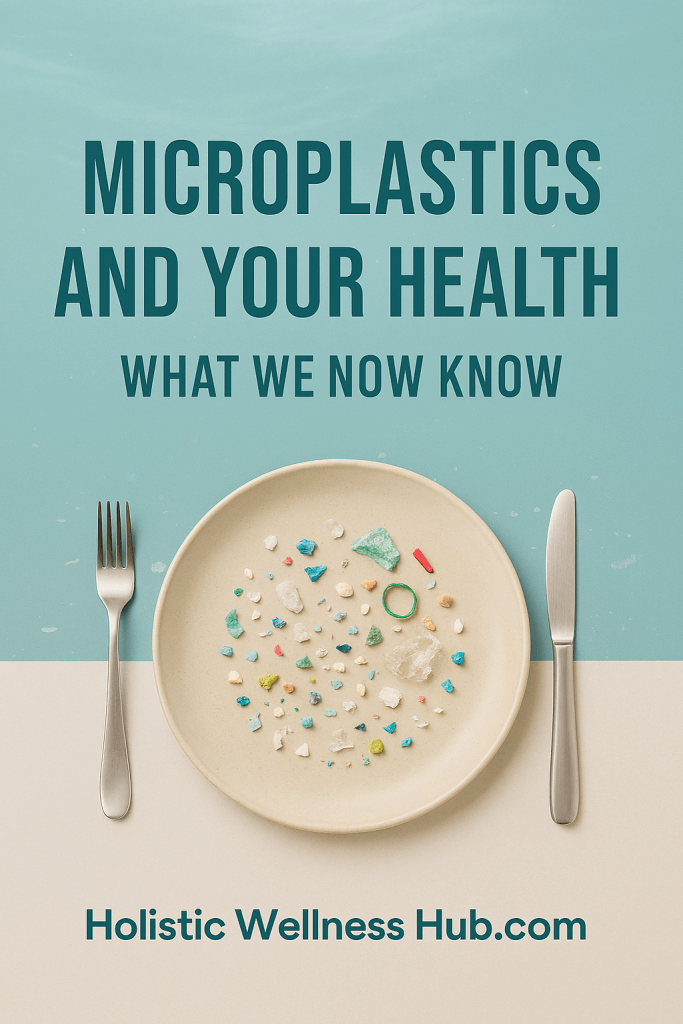


Microplastics have quietly entered our food, water, homes, and even our bodies. What once sounded like an environmental issue far away in the oceans is now a personal health concern sitting right on our dinner plates and inside our bloodstream.
As women navigating midlife, hormonal balance, inflammation, and long‑term wellbeing matter more than ever. Understanding microplastics isn’t about fear — it’s about empowerment. When we know better, we choose better. And small changes at home can make a meaningful difference.
Let’s explore what science now knows about microplastics, how they affect your health, and what you can do to reduce exposure in your daily life.
What Are Microplastics?
Microplastics are tiny plastic particles less than 5 millimeters in size. Even smaller particles — called nanoplastics — are invisible to the naked eye and can enter the bloodstream, organs, and cells.
They come from:
- Plastic packaging
- Synthetic clothing fibers
- Beauty and personal care products
- Household items
- Car tires
- Food processing equipment
- Water bottles
- Dust inside our homes
Microplastics are everywhere — in the air we breathe, the water we drink, and the food we eat.

Where Do Microplastics Come From?
1. Food and Water
- Bottled water contains significantly more microplastics than tap water.
- Seafood, especially shellfish, accumulates microplastics from polluted oceans.
- Salt, honey, rice, and even fruits and vegetables have shown traces.
2. Household Dust
Synthetic fabrics, carpets, cleaning cloths, and plastic items shed microfibers that circulate in indoor air.
3. Beauty and Personal Care Products
Some exfoliants, cleansers, and makeup contain microplastic beads or polymers.
4. Clothing
Polyester, nylon, and acrylic fabrics release microfibers during washing and wearing.
5. Packaging and Containers
Plastic containers, especially when heated, can shed microplastics into food.
“Small changes create powerful shifts. Discover cleaner beauty, safer home essentials, and wellness tools that truly support your body at SproutHealth.co.”
How Do Microplastics Enter the Human Body?
Ingestion
- Food
- Drinking water
- Plastic‑wrapped meals
- Seafood
- Salt and spices
Inhalation
- Indoor dust
- Synthetic clothing fibers
- Air pollution
Skin Contact
- Beauty products
- Lotions
- Sunscreens
- Cleansers
What Science Now Knows About Microplastics in the Body
This is where the research becomes both fascinating and concerning.
Microplastics have been found in:
- Human blood
- Lungs
- Placenta
- Breast milk
- Arteries
- Stool samples
Scientists are still studying long‑term effects, but early findings show:
1. Inflammation
Microplastics can trigger inflammatory responses in tissues.
2. Oxidative Stress
This can accelerate aging, weaken immunity, and affect cellular health.
3. Hormonal Disruption
Some plastics contain endocrine‑disrupting chemicals (EDCs) that mimic or block hormones — especially concerning for women in midlife.
4. Cardiovascular Impact
Recent studies found microplastics in arterial plaque, raising concerns about heart health.
5. Gut Microbiome Changes
Microplastics may alter gut bacteria, affecting digestion, immunity, and mood.
6. Potential Cellular Damage
Nanoplastics may enter cells and interfere with normal function.
While research is ongoing, the evidence is strong enough to take microplastics seriously.
Microplastics and Women’s Health
Women in their 40s, 50s, and 60s experience natural hormonal shifts. Microplastics — especially those containing endocrine‑disrupting chemicals — may influence:
- Thyroid function
- Estrogen balance
- Metabolism
- Weight regulation
- Inflammation
- Sleep quality
This makes reducing exposure especially important during midlife.
Everyday Products That May Contain Microplastics
Beauty Products
- Exfoliating scrubs
- Glitter makeup
- Certain lotions
- Sunscreens
- Hair products
SproutHealth.co’s Beauty Collection focuses on cleaner, safer alternatives without microplastic ingredients.
Home Essentials
- Plastic containers
- Synthetic cleaning cloths
- Air fresheners
- Carpets and rugs
- Laundry detergents
Our Home Essentials Collection includes safer, low‑toxin options to help reduce microplastic shedding.
Kitchen Tools
- Plastic cutting boards
- Plastic spatulas
- Food storage containers
- Bottled water
Switching to stainless steel, bamboo, or glass makes a big difference.
Pet Products
Pet toys and synthetic bedding can shed microplastics into household dust.
How to Reduce Microplastic Exposure at Home
You don’t need perfection — just awareness and small, consistent changes.
1. Choose Glass or Stainless Steel Food Storage
Avoid heating food in plastic containers.
2. Switch to Natural Fiber Clothing
Cotton, linen, bamboo, and wool shed fewer microfibers.
3. Use Microplastic‑Free Beauty Products
Look for “polyethylene,” “polypropylene,” or “acrylates” on labels — and avoid them.
4. Improve Indoor Air Quality
- Open windows
- Use air‑purifying plants
- Vacuum with a HEPA filter
5. Upgrade Your Cleaning Tools
Choose natural fiber cloths instead of synthetic microfiber cloths.
6. Filter Your Drinking Water
A good filter can reduce microplastics significantly.
7. Avoid Bottled Water
It contains far more microplastics than tap water.
8. Support Your Body’s Natural Detox Pathways
- Hydration
- Fiber‑rich foods
- Antioxidants
- Gentle movement
- Breathwork
Your SproutHealth Wellness Journals can help you track habits, reduce stress, and stay consistent with your wellness goals.
Wellness Tools to Support Your Body
Microplastics are unavoidable, but your body is resilient. Support it with:
Hydration
Clean, filtered water helps flush toxins.
Antioxidant‑Rich Foods
Berries, leafy greens, turmeric, and green tea help reduce oxidative stress.
Movement
Walking, stretching, and yoga support lymphatic flow.
Stress Reduction
Chronic stress weakens detox pathways. Your SproutHealth Journals offer guided prompts to help you release emotional tension and stay grounded.
Home Essentials
Choose safer materials that reduce microplastic shedding.
Beauty Essentials
Opt for clean, microplastic‑free skincare.
Download your free Microplastics in Food Checker Guide. It’s a quick, easy tool to help you make cleaner choices every day.
Frequently Asked Questions (FAQs)
These are the questions people ask most often about microplastics and health.
1. Are microplastics harmful to humans?
Research suggests they may cause inflammation, oxidative stress, hormonal disruption, and potential cellular damage.
2. Can microplastics enter the bloodstream?
Yes. Studies have detected microplastics in human blood, lungs, and even the placenta.
3. Which foods contain the most microplastics?
- Seafood
- Bottled water
- Salt
- Rice
- Honey
- Processed foods
4. How can I reduce microplastics in my home?
Switch to glass containers, natural fiber clothing, clean beauty products, and safer home essentials.
5. Do beauty products contain microplastics?
Some do — especially exfoliants, glitter makeup, and certain lotions. Always check labels.
6. Are microplastics linked to hormonal imbalance?
Some plastics contain endocrine‑disrupting chemicals that may affect estrogen and thyroid hormones.
7. Can microplastics be removed from the body?
Your body naturally detoxifies through the liver, kidneys, lymphatic system, and gut. Supporting these pathways helps.
8. Is bottled water safer than tap water?
No. Bottled water often contains significantly more microplastics.
9. Are microplastics found in the air?
Yes — especially indoors, where synthetic fabrics and household items shed microfibers.
Final Reflection
Microplastics are pervasive, but awareness is a powerful tool for change. You don’t need to transform your entire lifestyle overnight. Instead, focus on making small, intentional choices that can lead to significant improvements:
- Start with One Product: Choose a cleaner alternative for one item in your home.
- Make One Shift: Switch to a microplastic-free beauty product or a natural fiber clothing piece.
- Establish One Healthy Habit: Incorporate a daily practice that supports your body’s natural detox pathways.
Your home, body, and overall wellbeing deserve this attention. Every small step you take can contribute to a healthier future.